3D Cube Skull
In the rapidly evolving landscape of digital design and physical merchandise, finding a graphic that balances modern aesthetics with versatile application is often the most challenging hurdle for creators. The 3D Cube Skull has emerged as a dominant visual motif in this space, bridging the gap between geometric minimalism and edgy, contemporary style. This specific illustration style—often presented as a vector-based logo or standalone artwork—offers a unique fusion of sharp angles and three-dimensional depth. For business owners, independent artists, and marketing professionals, understanding the practical value of a high-quality 3D Cube Skull asset is essential before integrating it into a product line or brand identity.
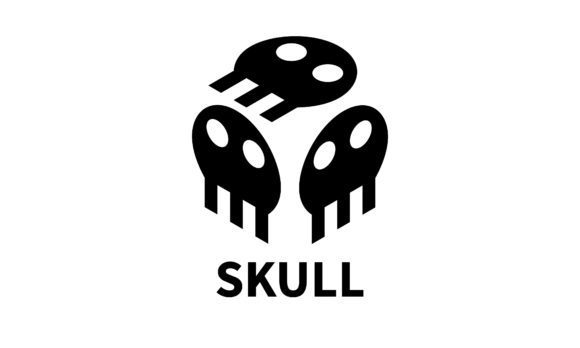
At its core, the 3D Cube Skull is not merely a decorative image; it is a structural design element. By deconstructing the organic form of a skull into faceted, cubic planes, designers create an image that feels both futuristic and timeless. This geometric abstraction allows the graphic to remain legible at various scales, making it particularly suitable for applications ranging from tiny sticker details on water bottles to large-scale banner displays. The appeal lies in its adaptability. Unlike complex photorealistic renders that can become muddy when scaled down, the clean lines of a cube-based skull maintain their integrity across different mediums.
The Power of Vector Scalability
One of the most critical aspects of acquiring a 3D Cube Skull illustration is ensuring it is built on a vector foundation. When we discuss a "Vector Illustration 3D Cube Skull Logo," we are referring to graphics created using mathematical equations rather than pixels. This distinction is vital for anyone planning to use the image for print or large-format display. A raster image (like a standard JPEG) will pixelate and lose clarity if enlarged, but a vector file can be resized infinitely without any loss of quality.
This technical advantage translates directly into cost savings and creative freedom. Whether you are designing a single t-shirt mockup or preparing files for a nationwide retail chain, the ability to scale the 3D Cube Skull from a small icon to a massive backdrop ensures consistency. Furthermore, vector files are inherently editable. Designers can manipulate the color palette, adjust the thickness of the lines, or even alter the geometry of the cubes to better suit a specific brand’s voice. This flexibility transforms a static image into a dynamic brand asset.
Comprehensive File Formats for Every Workflow
To maximize the utility of a 3D Cube Skull asset, it is crucial to have access to a comprehensive suite of file formats. High-quality design packages typically include multiple variations to accommodate different software environments and output requirements. Understanding these formats helps streamline the workflow from concept to final product.
- Adobe Illustrator (.AI): As the industry standard for vector design, .AI files allow for full editing capabilities within Adobe Creative Cloud. These master files are ideal for professional designers who need to tweak gradients, shadows, and layer structures.
- Encapsulated PostScript (.EPS): Often used in professional printing workflows, EPS files ensure that the 3D Cube Skull remains crisp when sent to commercial printers. They are widely compatible with older design systems and layout software.
- Portable Document Format (.PDF): PDFs preserve the vector data while being easily viewable by clients and stakeholders who do not have design software installed. This makes them perfect for approvals and presentations.
- Scalable Vector Graphics (.SVG): Essential for web design, SVG files load quickly and scale perfectly on all screen sizes. If you are incorporating a 3D Cube Skull into a website header or a mobile app interface, this format is indispensable.
- High-Resolution Raster Files (.PNG and .JPEG): For quick previews or platforms that do not support vectors, high-resolution PNGs with transparent backgrounds are invaluable. A 300 dpi resolution ensures that even the raster versions are print-ready for smaller items like stickers or postcards.
Having ready-to-use files in these formats eliminates the friction of conversion. Instead of spending hours trying to trace over a low-quality image, creators can start working immediately. This efficiency is particularly valuable for businesses operating on tight deadlines or those managing multiple product launches simultaneously.
Versatile Applications Across Merchandise and Media
The aesthetic of the 3D Cube Skull is remarkably broad, allowing it to fit into diverse niches. Its geometric nature appeals to tech enthusiasts, gamers, and fans of modern art, while its skull motif resonates with streetwear culture, rock music scenes, and alternative fashion markets. Because of this wide appeal, the same asset can be deployed across a variety of products without feeling out of place.
Apparel and Fashion: On t-shirts, hoodies, and tote bags, the 3D Cube Skull serves as a striking focal point. The flat, graphic nature of the vector design works exceptionally well with screen printing techniques, where bold colors and clean edges are preferred. It looks equally sophisticated on minimalist white cotton or aggressive on dark, distressed fabrics.
Printed Collateral: In the realm of marketing materials, this illustration adds a touch of premium quality to flyers, posters, and greeting cards. The 3D effect creates depth on paper, drawing the eye and encouraging engagement. For event banners or conference backdrops, the high contrast and clear lines ensure visibility from a distance.
Digital and Sticker Culture: Stickers are a growing market for independent creators. The transparent background feature of PNG exports allows the 3D Cube Skull to adhere seamlessly to laptops, water bottles, and phone cases without a visible white box around it. Similarly, in digital spaces, the vector nature ensures the logo looks sharp on social media avatars, website headers, and email signatures.
Evaluating Quality and Editability
Not all 3D Cube Skull illustrations are created equal. When selecting an asset, whether from a stock library or a freelance designer, it is important to evaluate the underlying structure. A truly "100% Editable Vector" file should have organized layers. This means the top of the skull, the jaw, and the individual cubes are separated logically, allowing for easy recoloring or modification.
Look for assets that offer "Master Files." These are the source documents where all effects, such as drop shadows or inner glows, are applied via editable attributes rather than baked into flattened pixels. This level of control ensures that the 3D Cube Skull can be adapted to different lighting conditions or color schemes required by a brand’s guidelines. Additionally, check the resolution of any included raster previews. A 300 dpi guarantee indicates that the provider understands print standards, reducing the risk of blurry outputs.
Considerations for Implementation
While the versatility of the 3D Cube Skull is a major strength, there are practical considerations to keep in mind. The geometric style relies heavily on contrast. If placed against a busy or similarly colored background, the 3D effect may be lost. Designers must carefully consider the negative space around the illustration to let the facets breathe.
Furthermore, while the vector format allows for infinite scaling, the complexity of the 3D shading can impact file size and rendering time, especially in web contexts. It is advisable to optimize SVG files by removing unnecessary anchor points and simplifying paths where possible. This ensures that the visual impact of the 3D Cube Skull is maintained without compromising website performance.
Finally, consider the emotional tone of the imagery. A skull, even a stylized one, carries connotations of mortality, rebellion, or darkness. Depending on your target audience, this might be exactly what you want, or it might require softening through color choices or contextual pairing. Using warm or vibrant colors can make the 3D Cube Skull feel more playful and modern, whereas monochromatic black-and-white treatments lean into a more serious, industrial vibe.
Conclusion
The 3D Cube Skull represents a powerful intersection of art and utility. Its geometric precision, combined with the cultural resonance of the skull motif, makes it a highly effective tool for branding and design. By prioritizing vector-based assets that offer comprehensive file formats and full editability, creators can unlock the full potential of this illustration. Whether used for a startup’s logo, a limited-edition clothing drop, or a high-impact poster campaign, the right 3D Cube Skull asset provides the flexibility and quality needed to stand out in a crowded marketplace. Ultimately, the value lies not just in the image itself, but in the seamless integration of that image into your broader creative strategy.