Evaluating the Versatility and Technical Quality of a 3D Green Globe Logo Illustration for Commercial Design
In the landscape of modern graphic design, visual assets must do more than simply look appealing; they must be technically robust, adaptable across multiple media, and capable of conveying specific brand values. Among the various digital assets available to designers and entrepreneurs, the 3D Green Globe Logo Illustration stands out as a particularly versatile option. This asset combines aesthetic depth with technical precision, making it suitable for a wide array of applications ranging from merchandise and packaging to digital marketing materials. Understanding the distinct features of this vector-based illustration is crucial for professionals who need high-quality graphics that maintain integrity during scaling and printing.
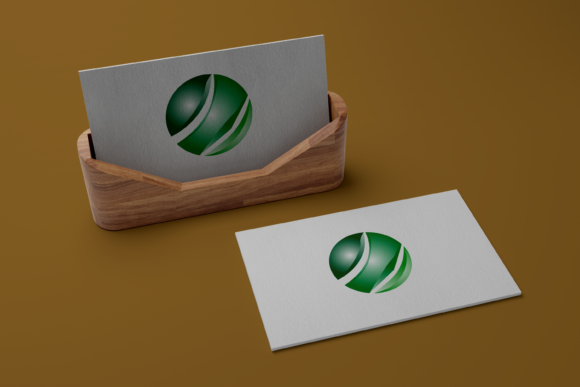
The core appeal of a 3D Green Globe Logo Illustration lies in its ability to merge environmental symbolism with contemporary three-dimensional rendering techniques. Unlike flat, two-dimensional icons that have become ubiquitous in minimalist design trends, a 3D globe offers volume, shadow, and texture. These elements create a sense of realism and tangibility that can enhance brand perception. The green color palette naturally associates the image with sustainability, growth, ecology, and global connectivity. When combined with a 3D effect, these associations are reinforced through visual weight and presence, making the logo an effective tool for organizations focused on eco-friendly initiatives or international operations.
Technical Specifications and File Compatibility
For professional designers, the utility of a graphic asset is often determined by its file structure and compatibility with industry-standard software. A premium 3D Green Globe Logo Illustration typically comes equipped with a comprehensive suite of formats designed to streamline workflow and ensure print readiness. The inclusion of Adobe Illustrator (.AI) master files is perhaps the most significant feature for vector-based work. These files allow designers to manipulate paths, adjust gradients, and modify colors without any loss of quality. This editability is essential for customizing the logo to fit specific brand guidelines or for creating variations for different market segments.
Beyond the editable vector sources, the availability of ready-to-use formats such as EPS, SVG, PDF, JPEG, and PNG ensures that the asset can be integrated into virtually any design environment. EPS files remain a standard for large-format printing, while SVG is ideal for web development due to its scalability and small file size. For quick previews or social media usage, high-resolution JPEGs provide immediate accessibility. However, the most critical format for transparent overlays is the PNG file. High-resolution PNGs at 300 dpi with a transparent background allow the globe to be placed over any background color or image without unsightly white boxes or borders. This transparency is vital for maintaining a clean, professional appearance on diverse backgrounds, whether on a dark-colored t-shirt or a vibrant website header.
Applications Across Merchandise and Print Media
The adaptability of the 3D Green Globe Logo Illustration makes it an excellent candidate for physical merchandise and promotional items. In the realm of apparel, such as T-shirts and tote bags, the 3D effect adds a layer of sophistication that distinguishes the product from mass-produced, flat-printed designs. When printed on fabric, the gradients and shadows of the 3D globe can catch light differently depending on the material texture, adding a tactile dimension to the visual experience. Similarly, for stickers and decals, the transparent PNG version ensures that the globe appears to float seamlessly on surfaces, enhancing its visual impact.
In the domain of print collateral, the resolution and vector nature of the asset prove invaluable. Banners and posters require images that can be scaled up to large dimensions without pixelation. Because the primary files are vectors, the 3D Green Globe Logo Illustration can be enlarged to billboard size while retaining crisp edges and smooth color transitions. This is particularly important for trade show displays or outdoor advertising where clarity from a distance is paramount. Furthermore, for smaller print items like greeting cards, postcards, and flyers, the high 300 dpi resolution ensures that fine details in the globe’s texture are preserved. Whether used as a central focal point or as a subtle background element, the logo maintains its visual integrity across all sizes.
Comparing Vector 3D Assets to Raster and Flat Alternatives
When evaluating design resources, it is helpful to compare vector 3D illustrations against raster images and flat vector designs. Raster images, such as standard photographs or bitmap graphics, are composed of pixels. While they can capture realistic lighting and textures, they suffer from resolution limits. If a raster image is enlarged beyond its native resolution, it becomes pixelated and blurry. In contrast, the Vector 3D Green Globe Logo Illustration relies on mathematical equations to define shapes and colors. This means it can be resized infinitely without any degradation in quality. For businesses that need to use their logo on both a business card and a building facade, the vector format is the only reliable choice.
Compared to flat vector designs, 3D illustrations offer greater visual depth. Flat logos are easy to read and scalable but can sometimes appear generic or dated. The addition of 3D effects, such as bevels, embossing, and gradient meshes, gives the 3D Green Globe Logo Illustration a modern, polished look. However, this added complexity comes with a tradeoff: 3D designs can be harder to reproduce in single-color screen printing or embroidery. Designers must consider the production method when choosing between a flat and a 3D style. For full-color digital prints, heat transfer vinyl, or high-end offset printing, the 3D version provides superior aesthetic results. For simpler, cost-effective production runs, a simplified flat version derived from the same vector file might be more appropriate.
Decision Factors for Buyers and Designers
Selecting the right graphic asset involves balancing aesthetic preferences with practical constraints. One of the primary decision factors is the level of customization required. If a buyer needs to change the shade of green to match a specific corporate identity or alter the shading to reflect a different time of day, the 100 Editable Vector and Master Files .AI are indispensable. Without access to the source files, any modification would require recreating the image from scratch, which is time-consuming and costly. Therefore, assets that include editable layers and grouped objects offer significantly higher long-term value.
Another consideration is the intended medium. For digital-only applications, such as website icons or app interfaces, the lightweight SVG and PNG files are sufficient. However, for any project involving physical production, the inclusion of EPS and high-resolution PDF files is crucial. Printers often require these specific formats to ensure color accuracy and proper bleed settings. The availability of a complete package—ranging from editable vectors to print-ready exports—minimizes friction in the production pipeline. It allows designers to move seamlessly from concept to final output without needing to convert files using third-party tools that may introduce errors or quality loss.
Best-Fit Situations and Limitations
The 3D Green Globe Logo Illustration is best suited for brands that want to convey professionalism, innovation, and environmental consciousness. It is particularly effective for tech companies focused on green energy, logistics firms emphasizing global reach, educational institutions highlighting international studies, or non-profits dedicated to conservation. The 3D style adds a sense of technological advancement and precision, which complements the organic connotation of the green globe. In these contexts, the logo serves not just as a mark of identification but as a statement of values.
However, there are situations where this asset may not be the optimal choice. Brands aiming for a strictly retro, vintage, or ultra-minimalist aesthetic might find the 3D effects too busy or modern. Additionally, if the budget for production is extremely tight and the logo will be used primarily in monochrome applications (such as black ink stamps or simple embroidery), the nuances of the 3D shading will be lost. In such cases, a simpler, flat vector logo would be more functional. It is also worth noting that while the asset is highly editable, users should always review the licensing terms associated with the purchase. Most commercial licenses allow for extensive modification and resale on products, but some restrictions may apply regarding direct resale of the digital file itself.
Conclusion on Asset Value
The 3D Green Globe Logo Illustration represents a well-rounded solution for designers seeking a high-impact, environmentally themed graphic. Its strength lies in the combination of aesthetic appeal and technical flexibility. By providing a full range of file formats, including editable AI masters and high-resolution transparent PNGs, it supports a wide variety of creative workflows. Whether used on merchandise like tote bags and stickers or in large-scale print materials like banners and posters, the logo maintains its visual quality and symbolic power. For professionals evaluating design resources, the key takeaway is the importance of file versatility. An asset that is both visually striking and technically adaptable offers the greatest return on investment, allowing for seamless integration into diverse branding strategies.