Steel 3d Editable Text Style Effect: A Practical Guide to Integration and Workflow Efficiency
In the landscape of digital design, few assets offer as much immediate visual impact with such minimal friction as a high-quality, editable text effect. The Steel 3d Editable Text Style Effect represents a specific intersection of aesthetic appeal and technical utility. It is not merely a static image; it is a functional vector asset designed for professionals who require speed, consistency, and precision in their output. For designers, marketers, and content creators aged 20–50, understanding how to integrate this type of resource into an existing workflow can significantly reduce production time while elevating the perceived quality of the final deliverable.
This article explores the practical applications of the Steel 3d Editable Text Style Effect, focusing on its technical specifications, compatibility with industry-standard tools like Adobe Illustrator, and strategies for maintaining efficiency across various project types. By examining the transition from concept to execution, we can determine how this vector design fits into broader creative processes.
Understanding the Technical Foundation
Before discussing implementation, it is crucial to understand what makes the Steel 3d Editable Text Style Effect distinct from other text effects found online. The primary differentiator lies in its file structure. Unlike raster-based images (such as standard JPEGs or PNGs) that become pixelated when scaled, this asset is built as a vector design. This means every curve, shadow, and highlight is defined by mathematical coordinates rather than pixels.
The asset includes 100 editable words, which serves as a starting library, but the true value lies in the fact that these elements are fully customizable. Users can change fonts, adjust sizes, and modify colors with ease. Because the file operates in RGB Color Mode, it is optimized for digital displays, ensuring that the metallic sheen and lighting effects render accurately on screens, websites, and social media platforms. This distinction between vector scalability and color mode optimization is fundamental to why this tool is suitable for both small-scale hobbyist projects and large-scale corporate branding efforts.
Integration with Adobe Illustrator
The specification that the Steel 3d Editable Text Style Effect can be edited in Adobe Illustrator places it firmly within the professional designer’s toolkit. Illustrator is the industry standard for vector manipulation, and compatibility here ensures that users do not need to learn new software or export to incompatible formats that might degrade quality.
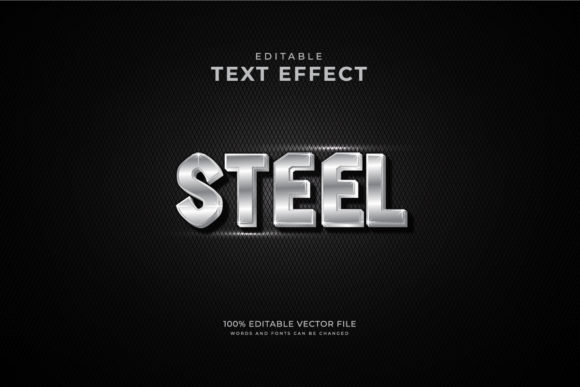
When importing the file into Illustrator, the user gains access to the underlying layers. This allows for granular control over the "steel" appearance. For instance, one might wish to alter the gradient stops to simulate rusted metal, polished chrome, or brushed steel. Because all object colors are editable, the creative possibilities extend beyond traditional metallic tones. This flexibility supports a wide range of thematic requirements, from futuristic tech interfaces to rugged industrial branding.
For freelancers and agencies managing multiple client brands, this editability is a time-saver. Instead of creating a new text effect from scratch for each campaign, a designer can duplicate the base layer, swap the text, adjust the hue, and apply it to new mockups. This process transforms a complex 3D rendering task into a simple editing exercise, drastically reducing the hours spent on repetitive graphical tasks.
Workflow Applications Across Industries
The versatility of the Steel 3d Editable Text Style Effect allows it to serve different roles depending on the stage of a project. Here is how it interacts with common workflows in marketing, education, and business.
Marketing and Social Media Campaigns
In digital marketing, attention spans are short. Visual hierarchy is key. Using the Steel 3d effect for headlines in banner ads, Instagram stories, or YouTube thumbnails creates immediate focal points. The three-dimensional nature of the text breaks through flat design trends, drawing the eye. Since the files are high-resolution and ready to use, marketers can quickly A/B test different color variations without waiting for graphic design resources. This agility is essential for optimizing click-through rates in real-time campaigns.
Content Creation and Blogging
Educators, bloggers, and publishers often struggle with creating consistent visual identities across written content. Incorporating the Steel 3d text style for chapter headers, pull quotes, or featured article titles adds a layer of polish that distinguishes professional publications from amateur blogs. The ability to change fonts easily allows content creators to align the texture with their brand voice—perhaps using a sharper, more angular font for tech reviews or a smoother, rounded font for lifestyle content.
Product Mockups and Presentations
Entrepreneurs and small business owners frequently need to present ideas visually before physical products exist. The Steel 3d Editable Text Style Effect is ideal for placing on product packaging mockups, app interface wireframes, or presentation slides. The RGB color mode ensures that the colors match what will eventually be seen on digital devices, providing accurate previews for stakeholders. This reduces the risk of miscommunication during the approval phase, as clients can see exactly how the text will look against different backgrounds.
Implementation Best Practices
To maximize the utility of the Steel 3d Editable Text Style Effect, users should adhere to certain best practices regarding organization, quality control, and long-term use.
- File Organization: When working with 100 editable words and multiple layers, keeping files organized is paramount. Use clear naming conventions for layers within Illustrator. Group related elements (such as the main text body, shadows, and highlights) together. This practice speeds up future edits and makes handoffs to team members seamless.
- Consistency Checks: While the colors are editable, maintaining a consistent lighting direction across all instances of the text effect is vital for a professional look. If one word has light coming from the top-left, ensure all other text elements follow the same logic. This attention to detail reinforces the realism of the 3D effect.
- Resolution Management: Although the source files are vectors and thus resolution-independent, always check the final export settings. For web use, save as optimized SVG or PNG at 72 DPI. For print collateral, even though the design is vector, ensure the document is set to CMYK if physical printing is required, converting the RGB steel gradients carefully to avoid dullness in print output.
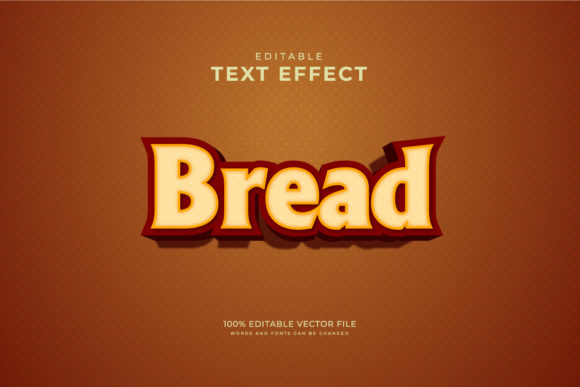
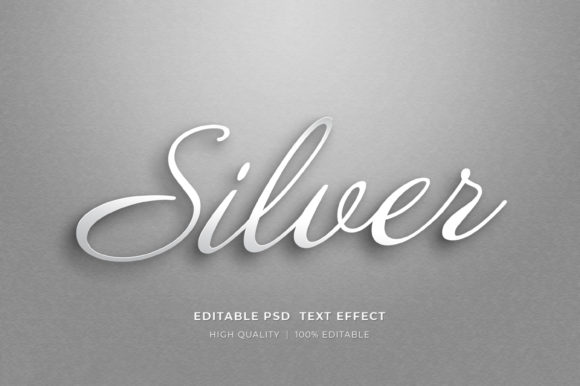
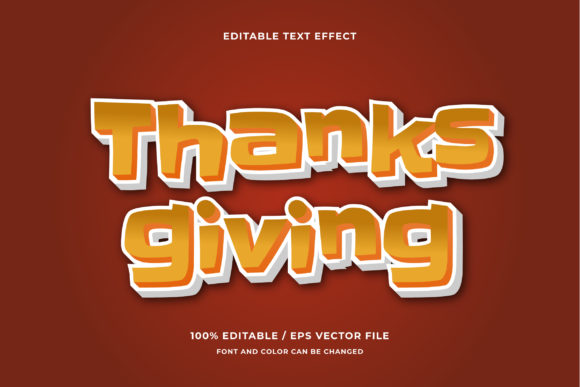
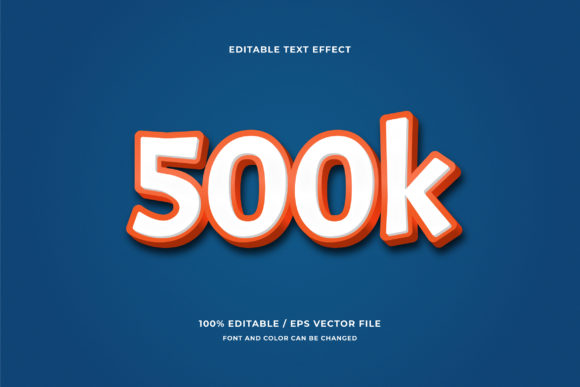
- Sample Preview Utilization: The inclusion of a sample preview in JPEG format provides a quick reference for how the effect looks out-of-the-box. Use this preview to gauge the complexity of the effect before diving into the vector file. It helps in setting realistic expectations for clients regarding the level of customization possible.
Long-Term Value and Scalability
One of the most overlooked aspects of digital assets is their long-term viability. The Steel 3d Editable Text Style Effect is not a one-off solution; it is a reusable component of a design library. As trends shift, the core geometry of the steel effect remains timeless. Metallic textures have been a staple in design for decades, evolving from sleek silver to dark gunmetal and gold.
By investing in a high-quality, editable vector asset now, users build a repository of graphics that can be adapted for years. Whether launching a new startup next year or refreshing a blog’s aesthetic in five years, the ability to tweak the existing file saves significant effort compared to sourcing new assets each time. This approach aligns with sustainable design practices, where resources are used efficiently and creatively repurposed.
Conclusion
The Steel 3d Editable Text Style Effect is more than just a decorative element; it is a productivity tool that bridges the gap between complex 3D design and accessible editing. Its compatibility with Adobe Illustrator, combined with its vector-based flexibility and RGB optimization, makes it a valuable addition to the workflows of professionals, creators, and businesses. By integrating this asset thoughtfully—paying attention to organization, consistency, and appropriate application—users can enhance the visual impact of their projects while maintaining operational efficiency. In a digital world that demands both speed and quality, having reliable, editable tools like this is not just convenient; it is essential.