3D Fried Egg Embroidery Design Evaluation
In the realm of home decor and personalized crafting, few motifs evoke as much warmth and whimsy as the classic fried egg. The 3D Fried Egg embroidery design has emerged as a popular choice for enthusiasts looking to add a touch of rustic charm and playful humor to their projects. This specific design is notable not just for its visual appeal, but for its technical versatility, offering multiple file formats compatible with a wide range of modern embroidery machines. For crafters, interior designers, and DIY hobbyists, understanding the nuances of this design—its aesthetic qualities, practical applications, and technical requirements—is essential before committing to a purchase or project.
Understanding the 3D Fried Egg Aesthetic
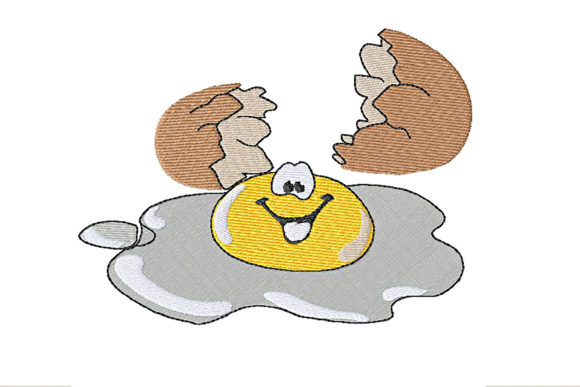
At its core, the 3D Fried Egg design is an embroidery pattern that mimics the appearance of a sunny-side-up egg. The "3D" aspect typically refers to the use of puff embroidery techniques, high-density stitching, or strategic layering of threads to create depth and texture. Unlike flat satin stitches that lie flush against the fabric, this design aims to replicate the raised white (albumen) surrounding the vibrant yellow yolk. The result is a tactile, visually engaging element that stands out from standard monogrammed or geometric patterns.
The artistic intent behind this design is rooted in cottagecore and rustic aesthetics. It appeals to those who appreciate farmhouse-style kitchens, cozy living spaces, and handcrafted goods. The imagery is universally recognizable, evoking feelings of comfort, breakfast traditions, and domesticity. However, it is important to note that while the design is cute and fun, it is also highly stylized. The yellow may be rendered in varying shades of gold or orange depending on the thread palette chosen, and the white often utilizes a dense stitch pattern to achieve volume rather than relying solely on color contrast.
Applications and Use Cases
One of the primary reasons individuals seek out the 3D Fried Egg design is its adaptability across various textile mediums. Because the design is relatively compact yet impactful, it fits well on items where space is limited but personalization is desired. Below are some of the most common applications evaluated by users:
- Kitchen Textiles: The most intuitive application is on kitchen towels, aprons, and oven mitts. The design adds a humorous and welcoming touch to cooking spaces. When stitched on cotton or linen tea towels, the 3D effect complements the natural texture of the fabric, enhancing the rustic vibe.
- Children’s Apparel: Due to its playful nature, this design is frequently used on children’s pajamas, bibs, and onesies. Parents often look for unique, non-cliché alternatives to standard animal prints. The fried egg motif offers a gender-neutral, food-themed option that is both adorable and durable enough for frequent washing.
- Home Decor Accents: Beyond textiles, the design can be applied to pillow covers, wall hangings, and tote bags. In these contexts, the 3D element serves as a focal point, drawing attention to the craftsmanship involved. It pairs particularly well with neutral backgrounds like beige, cream, or light gray fabrics.
- Gift Items: Personalized gifts featuring this design are popular for housewarmings, bridal showers, or holidays. The combination of utility (e.g., a kitchen towel) and sentimentality (handmade quality) makes it a strong candidate for gift-giving occasions.
Technical Considerations and Compatibility
A significant advantage of many commercial 3D Fried Egg designs is their multi-format availability. Modern embroidery machines vary widely in brand and software compatibility. Designs that come in formats such as PES (Brother), DST (Barudan), EXP (Melco), JEF (Janome), VP3 (Pfaff), and HUS (Husqvarna) ensure that a broader audience can utilize the file without needing additional conversion software. This inclusivity reduces friction for buyers who own older or less common machine models.
However, achieving the true "3D" effect requires more than just loading the correct file. Crafters must understand the mechanics of puff embroidery or dimensional stitching. This often involves:
- Stabilizer Selection: Heavy-duty cut-away stabilizers are typically recommended to support the density of the stitches and prevent puckering, especially on stretchy fabrics like jersey for pajamas.
- Thread Choice: Using polyester or rayon threads with a slight sheen can enhance the visual depth. Some creators opt for specialty puff threads within the stitch area, though this increases cost and complexity.
- Hooping Techniques: Proper tension is critical. If the fabric is too loose, the 3D structure may collapse; if too tight, the needle may break or the fabric may distort.
Users should review the specific instructions provided with the digital file. Some designs include separate files for the base outline and the puff fill, requiring two-step execution. Others may be single-file solutions that rely on underlay stitches to create the illusion of height. Understanding these distinctions beforehand prevents frustration during the production phase.
Evaluating Tradeoffs and Expectations
While the 3D Fried Egg design is charming, it is not without limitations. Potential buyers should consider the following tradeoffs:
Maintenance and Durability: Embroidered items, particularly those with raised elements, require careful laundering. High heat or aggressive agitation can flatten the 3D effect or cause threads to snag. While generally durable, these items are best washed on gentle cycles and air-dried to preserve the texture over time.
Spatial Constraints: The design works best on medium-to-large surfaces. Attempting to stitch it on very small areas, such as the cuff of a shirt or a tiny patch pocket, may result in a cluttered or indistinct image. The yolk and white details need sufficient room to breathe to maintain their recognizable shape.
Aesthetic Fit: The rustic, humorous tone of the design does not align with minimalist, industrial, or formal decor styles. It is best suited for casual, warm, and inviting environments. Users aiming for sleek or contemporary aesthetics might find the design too quaint or distracting.
Decision-Making Insights
To determine if the 3D Fried Egg embroidery design is the right choice for your next project, consider these practical questions:
- Do you have the necessary equipment? Ensure your machine supports the file format included in the package. If you lack a specific format, check if the seller offers conversions or if you have access to reliable digitizing services.
- What is the end-use? If the item will see heavy daily wear, such as a work apron, verify that the stitch density will hold up to repeated washing. For decorative pillows used infrequently, the design’s delicate 3D texture may be perfectly preserved.
- Are you comfortable with advanced techniques? If you are new to embroidery, the 3D aspect may present a learning curve. Consider practicing on scrap fabric first to master tension and stabilizer placement before applying the design to final garments or decor.
In conclusion, the 3D Fried Egg embroidery design offers a delightful blend of nostalgia, humor, and technical interest. Its versatility across kitchen linens, children’s clothing, and home accents makes it a valuable asset for crafters seeking to inject personality into functional items. By carefully considering machine compatibility, fabric choices, and maintenance requirements, users can successfully bring this cute and rustic motif to life, creating pieces that are both visually appealing and enduring.