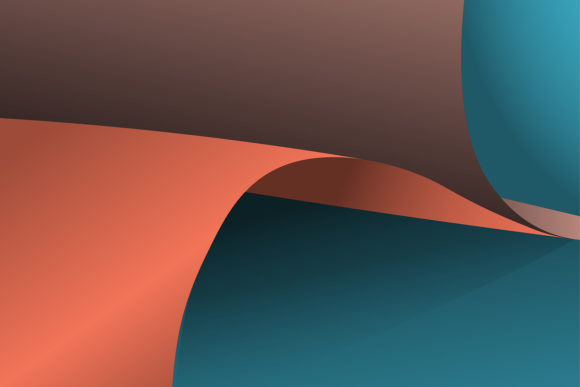
Elevating Visual Storytelling: The Strategic Impact of 3D Paper Backgrounds in Digital Design
In an era where digital saturation is the norm, capturing attention requires more than just high-resolution imagery; it demands texture, depth, and a tactile sense of reality. Enter the 3D Paper Background, a design element that has rapidly transitioned from a niche aesthetic choice to a fundamental tool in the modern creator’s arsenal. This style combines the organic warmth of traditional paper with the precision and dimensionality of three-dimensional rendering. For professionals, entrepreneurs, and marketers, understanding the utility of this medium is no longer optional—it is essential for creating assets that resonate on a deeper psychological level.
Redefining Digital Texture in a Flat World
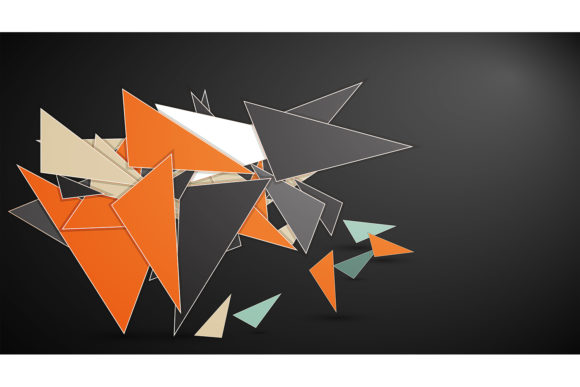
For over a decade, the design world was dominated by "Flat Design," a minimalist approach that prioritized simplicity and clarity. While effective, flat design often lacked emotional warmth and visual hierarchy. The emergence of 3D Paper Backgrounds represents a sophisticated evolution beyond this trend. By simulating the physical properties of paper—such as grain, fold lines, shadows, and layered edges—designers can introduce a sense of tangibility to screens that are inherently two-dimensional.
This shift is not merely aesthetic; it is functional. A 3D paper background provides a structured yet organic canvas that guides the user’s eye. It creates natural zones for content placement, ensuring that text and focal points stand out without feeling disjointed from the overall composition. Whether used in social media graphics, website headers, or digital posters, these backgrounds offer a bridge between the cold efficiency of digital interfaces and the comforting familiarity of analog materials.
Why Industry Leaders Are Embracing Vector-Based 3D Paper
The specific format of vector-based 3D paper backgrounds has gained traction among creative agencies and freelance designers due to its unparalleled flexibility. Unlike raster images (JPEGs or PNGs), which lose quality when scaled, vector files maintain crisp edges and clean geometry at any size. This is critical for businesses that need to deploy consistent branding across diverse platforms, from tiny mobile app icons to massive outdoor billboards.
When you download a comprehensive package featuring VECTOR EPS 10 files, you are acquiring a versatile asset library. These files are designed to be fully editable in Adobe Illustrator, allowing for extensive customization. Every object within the scene can have its colors modified, enabling brands to align the background perfectly with their existing color palettes. This adaptability ensures that the 3D Paper Background does not clash with brand identity but rather enhances it, providing a cohesive look across all marketing materials.
Practical Applications Across Creative Workflows
The versatility of 3D paper designs allows them to fit seamlessly into various professional workflows. Here is how different sectors are leveraging this technology:
- Social Media Marketing: In the crowded feed of Instagram or LinkedIn, static images often blend together. A 3D paper background adds depth and shadow play that stops the scroll. Creators use these elements to frame quotes, product announcements, or event details, making the content feel premium and curated.
- Digital Advertising and Banners: For web banners and display ads, space is limited. The layered nature of 3D paper designs allows for efficient use of space. By stacking elements, designers can create a sense of movement and progression without needing complex animations. This static depth effectively communicates value propositions quickly.
- Cover Art and Posters: Authors, musicians, and event organizers rely on strong cover art. A 3D paper aesthetic lends a handcrafted, artisanal feel to digital covers. It suggests that the content inside is thoughtful and well-crafted, mirroring the care put into the visual presentation.
- Corporate Presentations: Beyond screen design, these assets are increasingly used in print-on-demand business cards and brochures. The ability to edit colors in Illustrator means a corporate team can tweak a single template to suit different regional campaigns while maintaining a unified structural design.
The Technical Advantage: Editability and Workflow Efficiency
One of the most significant barriers to adopting new design trends is the time required to learn new tools or processes. However, the inclusion of Sample preview in JPEG alongside the source files mitigates this risk. Before diving into the complex editing environment, stakeholders can view the final output instantly. Once approved, the actual work begins in Adobe Illustrator.
The fact that All Objects Colors are editable is a game-changer for workflow efficiency. Consider a scenario where a marketing team needs to produce variations of a campaign for different seasons. Instead of commissioning new illustrations, they can take a single 3D paper background file and adjust the hue of the paper layers—from warm autumn oranges to cool winter blues. This capability drastically reduces production time and cost, allowing teams to iterate rapidly in response to market feedback.
Furthermore, because the graphics are 100 vector, there is no loss of fidelity during the editing process. Designers can add drop shadows, adjust perspective angles, or integrate custom typography without worrying about pixelation. This technical robustness makes the 3D Paper Background suitable for high-stakes projects where precision is non-negotiable.
Connecting to Broader Consumer Trends
The rise of 3D paper aesthetics reflects a broader consumer desire for authenticity in a digital age. As AI-generated content becomes ubiquitous, audiences are subconsciously seeking cues that suggest human touch and craftsmanship. Paper, as a material, carries historical connotations of communication, education, and permanence. By digitally recreating this material with modern 3D techniques, designers tap into a subconscious trust mechanism.
Moreover, the sustainability narrative plays a role. While these are digital products, the *aesthetic* of paper often aligns with eco-conscious branding. Brands that position themselves as sustainable or organic find that the textured, natural look of paper backgrounds reinforces their message without relying on cliché green imagery. It is a subtle semiotic link between the product and the packaging design.
Maximizing ROI Through Design Versatility
For freelancers and agency owners, the purchase of a high-quality vector pack is an investment in asset liquidity. A single 3D Paper Background file can serve dozens of purposes. It can be rotated, mirrored, cropped, or combined with other vector elements to create entirely new compositions. This multiplicity extends the lifecycle of the asset, ensuring that the initial download yields returns far beyond the first project it is used in.
When selecting such resources, professionals should look for packages that prioritize structure and layer organization. A well-organized file allows for quick navigation and modification, reducing the cognitive load on the designer. The availability of Adobe Illustrator compatibility ensures that the asset integrates smoothly into standard industry pipelines, avoiding the need for conversion software that might introduce errors or compatibility issues.
Conclusion: The Future of Tactile Digital Design
As we move further into a spatial computing era, the line between physical and digital will continue to blur. The 3D Paper Background is a precursor to this future, offering a glimpse into a world where digital interfaces possess weight, texture, and presence. For today’s creators, mastering this style is not just about following a trend; it is about expanding the vocabulary of visual communication.
By leveraging the editability of vector formats and the emotional resonance of paper textures, professionals can craft experiences that are both visually striking and functionally superior. Whether you are designing a banner, a poster, or a full website interface, incorporating 3D paper elements adds a layer of sophistication that distinguishes your work from the generic. In a marketplace driven by attention, giving your audience something to "touch" with their eyes is the ultimate competitive advantage.
To stay ahead, integrate these versatile, editable assets into your next project. Explore the possibilities of color manipulation and layering to create unique identities that stand the test of time. The future of design is textured, dimensional, and deeply connected to the human experience.