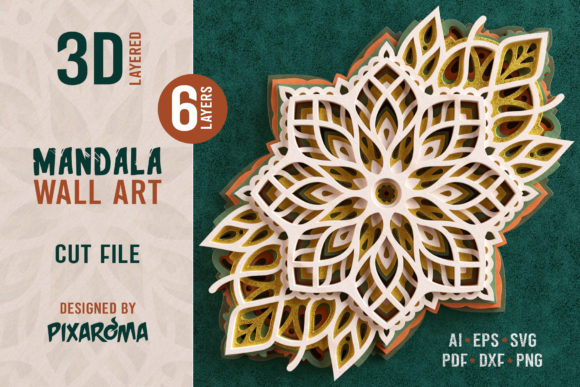
Layered 3D Mandala Wall Art Cut File: A Practical Guide to Dimensional Home Decor
Transforming a flat surface into a dynamic visual experience requires more than just color; it demands depth, shadow, and structural intention. For crafters, interior designers, and DIY enthusiasts seeking to elevate their living spaces without the cost of commissioned art, the Layered 3D Mandala Wall Art Cut File offers a compelling solution. This digital resource allows users to create intricate, multi-dimensional wall installations that serve as both focal points and thoughtful gifts.
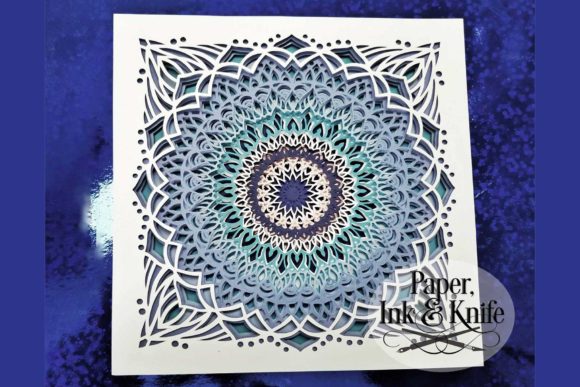
Unlike traditional two-dimensional prints or simple vinyl decals, layered mandalas utilize negative space and overlapping geometric patterns to create an optical illusion of volume. The result is a piece of decor that interacts with light throughout the day, casting subtle shadows that change as the sun moves across the room. This guide explores the technical specifications, practical applications, and decision-making factors associated with using these cut files, helping you determine if this format aligns with your creative goals and skill level.
Understanding the Digital Format and Technical Specifications
The foundation of any successful layered project lies in the quality and versatility of the source file. The Layered 3D Mandala Wall Art Cut File is designed to be compatible with a wide range of digital cutting machines, ensuring accessibility for hobbyists who may own different brands of equipment. The package is comprehensive, providing not just the final design but the tools necessary to manipulate it effectively.
When you purchase this digital download, you receive a ZIP archive containing multiple file types, each serving a specific purpose in the production workflow:
- Vector Files (Ai, Eps, SVG, PDF): These are essential for precision cutting. Vector graphics use mathematical equations to define lines and curves, allowing them to be scaled to any size without losing resolution. The inclusion of both stacked and spread layer versions gives you flexibility. Stacked layers are ready for immediate cutting if you plan to assemble the mandala exactly as designed, while spread layers allow for individual customization or spacing adjustments.
- DXF File: Specifically optimized for many popular cutting machine software programs, this format ensures clean line paths and accurate registration marks, which are critical when aligning multiple layers.
- Raster Files (JPG, PNG): High-resolution images provide a visual preview of the finished product. They are useful for planning color schemes, creating mockups for clients, or printing reference guides during assembly.
Furthermore, the inclusion of a quick assembly guide and ideas for colors and materials bridges the gap between digital design and physical execution. This support structure is particularly valuable for those new to dimensional paper crafts, reducing the learning curve associated with multi-layer alignment.
Design Versatility and Structural Integrity
One of the standout features of this particular mandala design is its structural adaptability. Traditional mandalas are often circular and static, but this design is engineered to work horizontally, vertically, and at an angle. This versatility allows the artwork to integrate seamlessly into various architectural contexts, whether it is mounted above a fireplace, flanking a doorway, or centered on a large blank wall.
The six-layer design provides significant depth. In dimensional art, the distance between layers determines the intensity of the shadow effect. With six distinct strata, the artist can control the complexity of the silhouette. Thinner materials like cardstock will produce sharper, more defined shadows, while thicker materials like foam board or corrugated plastic will create softer, more diffuse depth. This tradeoff allows users to choose the aesthetic that best fits their environment.
The availability of two different versions within the same file set adds another layer of choice. One version might feature tighter, more intricate detailing suitable for close-up viewing, while the other could offer broader, bolder shapes better suited for larger-scale installations. Evaluating these options against the available wall space is a crucial step in the planning process.
Comparing Layered Cut Files to Alternative Decor Options
When considering how to decorate a wall, consumers typically weigh several options: framed canvas prints, vinyl decals, wallpaper, or pre-made 3D panels. Understanding where the Layered 3D Mandala Wall Art Cut File fits within this landscape helps clarify its value proposition.
vs. Framed Canvas Prints: Canvas prints offer convenience and immediate gratification. However, they lack the tactile dimensionality of layered art. A canvas is visually flat, whereas a layered mandala casts real shadows, adding a kinetic quality to the room. Additionally, canvas prints are expensive custom pieces, while a cut file allows for infinite reproduction at a fraction of the cost.
vs. Vinyl Decals: Vinyl decals are thin and adhere directly to the wall, making them easy to install and remove. However, they do not create depth. A layered mandala stands off the wall by several inches, creating a sculptural element. While vinyl is better for temporary rentals due to its non-damaging nature, layered art is superior for homeowners looking for permanent, high-impact decor.
vs. Pre-made 3D Panels: Ready-made 3D wall panels are convenient but often generic. They lack the personal touch of a handmade item. By using a cut file, the creator selects the material, the finish, and the mounting method. This customization results in a unique piece that reflects personal taste, distinguishing it from mass-produced alternatives.
Evaluating Materials and Production Tradeoffs
The success of a Layered 3D Mandala Wall Art Cut File depends heavily on material selection. Because the design relies on delicate internal connections (the parts of the pattern that hold the shape together), the chosen material must balance durability with ease of cutting.
Paper and Cardstock: These are the most accessible materials. Heavyweight cardstock (65lb to 110lb) is ideal for beginners. It cuts cleanly on most home machines and holds its shape well. However, paper is susceptible to warping in humid environments and can tear if handled roughly. It is best suited for indoor, climate-controlled spaces.
Foam Board and Corrugated Plastic: For a more modern, industrial look, foam board offers excellent rigidity and lightweight properties. It creates deep shadows and is durable. Corrugated plastic (Coroplast) is waterproof and extremely tough, making it suitable for outdoor use or high-traffic areas. The tradeoff here is that these materials require sharper blades and potentially slower cutting speeds to prevent melting or fraying.
Wood and Acrylic: Advanced users may choose to cut thin wood veneer or acrylic sheets. These materials offer a premium, gallery-quality finish. However, they require specialized machinery such as laser cutters or heavy-duty CNC routers. Home die-cutting machines may struggle with these materials, limiting the accessibility of this option.
Use Cases and Commercial Potential
Beyond personal home decoration, the Layered 3D Mandala Wall Art Cut File presents opportunities for small business owners and craft entrepreneurs. The license typically allows for the sale of physical items created from the digital file. This means you can produce limited-edition wall art for local markets, Etsy shops, or boutique gift stores.
This aspect makes the file particularly attractive for those looking to monetize their crafting skills. Unlike reselling the digital file itself (which is generally prohibited), selling the tangible product leverages the value of your labor, material costs, and finishing touches. The "great gift" potential mentioned in the product description is a strong selling point; personalized, handmade 3D art is perceived as more valuable than store-bought equivalents.
However, commercial production introduces additional considerations. Scaling up requires efficient workflow management. Cutting dozens of layers for multiple units can be time-consuming. Investing in bulk materials and optimizing cutting paths becomes necessary to maintain profitability. Readers should assess their production capacity before committing to a commercial strategy.
Decision Factors: Is This Right for You?
Determining whether to invest in a Layered 3D Mandala Wall Art Cut File requires an honest assessment of your resources and expectations. Consider the following questions:
- Do you have access to a cutting machine? While the files are versatile, they are designed for digital fabrication. If you do not own a Cricut, Silhouette, or similar device, you will need to outsource the cutting, which adds cost and reduces the "handmade" appeal.
- Are you comfortable with assembly? Assembling six layers requires patience and precision. Misalignment can ruin the symmetry of the mandala. If you prefer quick, low-effort decor, this project may feel overwhelming.
- What is your budget for materials? While the digital file is inexpensive, high-quality materials (such as archival paper or premium foam) can add up. Calculate the total cost per unit to ensure it meets your financial goals.
- Do you value customization? If you want a one-of-a-kind piece that matches your specific color palette and scale, this file is an excellent choice. If you prefer off-the-shelf convenience, pre-made art may be more suitable.
In conclusion, the Layered 3D Mandala Wall Art Cut File is a robust tool for creators who enjoy the process of making. It offers a blend of artistic expression, technical challenge, and decorative impact. By understanding the file formats, material options, and production requirements, you can make an informed decision about whether this digital resource will bring life and dimension to your walls.