3d Rendering Cactus in a Pot: Elevating Digital Spaces with Botanical Minimalism
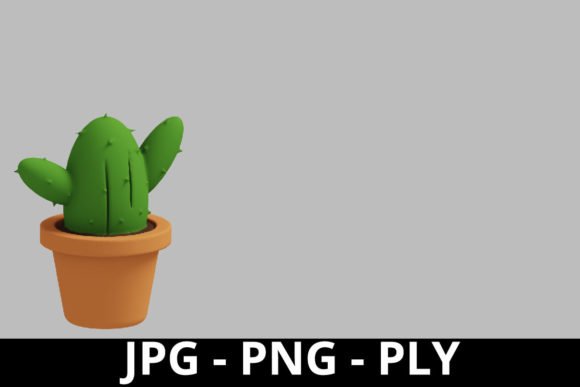
In the rapidly evolving landscape of digital design, visual assets are no longer just decorative; they are functional tools that communicate brand identity, set user expectations, and enhance aesthetic appeal. Among the myriad of 3D objects available to creators, the 3d rendering cactus in a pot has emerged as a surprisingly versatile and highly sought-after element. This specific asset, often packaged in convenient ZIP folders containing high-resolution JPGs, PNGs, and editable PLY renders, bridges the gap between organic nature and modern graphic design. For professionals ranging from UI/UX designers to interior visualization architects, understanding the value of this botanical staple is key to creating fresh, engaging, and timeless digital experiences.
The Rise of Botanical Minimalism in Digital Design
Why has the humble cactus become a favorite among creative professionals? The answer lies in the intersection of two major design trends: minimalism and biophilic design. As screens become more cluttered with information, there is a growing consumer desire for clarity, calm, and simplicity. A 3d render of a cactus offers a perfect solution. It introduces a touch of greenery and life without the visual noise associated with complex floral arrangements or dense foliage.
This trend is not merely about aesthetics; it reflects a shift in lifestyle habits. In an era where remote work and digital consumption dominate daily routines, people crave connections to the natural world. A cactus illustration rendered in three dimensions provides a sense of tranquility and freshness, acting as a visual anchor in otherwise sterile digital environments. Whether used as a background for a wellness app, a decorative element in an e-commerce store, or a standalone piece of botanical art, the cactus embodies a balance of resilience and elegance.
Technical Versatility: Why Format Matters
The true power of a 3d rendering cactus in a pot lies in its technical flexibility. Modern design workflows require assets that can adapt to various platforms and use cases. The inclusion of multiple file formats in a single package addresses these diverse needs effectively.
- JPG and PNG Renders: These raster images are essential for quick implementation. High-quality JPEGs offer compressed, ready-to-use visuals for web backgrounds, social media posts, and marketing materials. Meanwhile, PNG files with transparent backgrounds allow designers to isolate the potted plant and place it seamlessly over any color or pattern. This isolation is crucial for maintaining clean layouts and ensuring that the graphic object does not clash with existing design elements.
- PLY Renders: For those working in advanced 3D modeling software like Blender, Maya, or Cinema 4D, the PLY (Polygon File Format) is invaluable. This format preserves the mesh data, allowing for further customization. A designer can adjust lighting, change the texture of the flowerpot, modify the scale of the cacti, or integrate the model into a larger scene. This level of control ensures that the final output aligns perfectly with the project’s specific artistic direction.
This variety means that a single asset pack can serve both immediate commercial needs and long-term creative projects. It reduces the need to source multiple disparate files, streamlining the workflow for freelancers and agencies alike.
Applications Across Industries
The utility of a 3d rendering cactus in a pot extends far beyond simple decoration. Its application spans several industries, each leveraging the asset to meet specific user expectations and business goals.
User Interface and Experience (UI/UX)
In app and web design, whitespace is a powerful tool. A minimalist 3d illustration of a cactus can break up text-heavy sections, guide the user’s eye, and add personality to a brand interface. Because cacti are associated with sustainability and low maintenance, they are particularly effective for brands focused on eco-friendly products, productivity apps, or lifestyle services. The fresh and tropical vibe evokes a sense of well-being, enhancing user engagement without distracting from core functionalities.
E-Commerce and Product Presentation
For online retailers, especially those selling home decor, furniture, or lifestyle goods, realistic 3D renders provide a competitive edge. A houseplant rendered with photorealistic detail allows customers to visualize how a product might look in their own space. Even if the item being sold is not a plant, the presence of a decorative cactus in the background adds context and warmth to product shots. It suggests a curated, thoughtful living environment, which can influence purchasing decisions.
Content Creation and Social Media
Bloggers, educators, and content creators constantly seek unique visuals to stand out in crowded feeds. A cartoon-style or stylized cactus isolated on a plain background can serve as a memorable icon or thumbnail element. The exotic yet approachable nature of the cactus makes it universally appealing across demographics. It works equally well in professional presentations for tech startups and casual blogs about gardening or mental health.
Evolution of the Asset: From Static Image to Interactive Element
The perception of 3D assets has evolved significantly. What was once considered a niche requirement for video game developers is now a standard expectation in mainstream digital communication. The 3d render of a cactus is no longer just a static image; it is part of a broader movement toward immersive digital experiences.
With the rise of augmented reality (AR) and virtual reality (VR), the demand for interactive 3D models is growing. A PLY file of a cactus can be integrated into AR filters, allowing users to "place" a virtual plant in their real-world environment through their smartphone cameras. This interactivity transforms passive viewing into active engagement. Furthermore, as browsers become more capable of handling WebGL, websites can now display rotating 3D models directly in the viewport. Imagine scrolling through a design portfolio and seeing a green plant spin gently in the corner—a subtle but impactful demonstration of technical proficiency and attention to detail.
Practical Considerations for Creators
When incorporating a 3d rendering cactus in a pot into your projects, consider the following practical implications to maximize impact:
- Consistency in Lighting: Ensure that the lighting in your 3D render matches the ambient light of your composition. Mismatched shadows can break the illusion of realism and make the asset look pasted on.
- Color Harmony: The green of the cactus should complement the overall color palette. While cacti are naturally green, variations in shade—from muted sage to vibrant lime—can alter the mood of the design. Choose a hue that aligns with your brand’s emotional tone.
- Contextual Relevance: Avoid using the cactus simply because it is trendy. Ask whether it adds value to the message. Does it reinforce themes of growth, resilience, or simplicity? If so, it is a strong choice. If not, it may feel like filler.
- Resolution and Scalability: Always download assets in the highest resolution available. A background image intended for print requires much higher DPI than one for mobile screens. Having access to both raster and vector-like 3D data ensures you are prepared for any output medium.
Conclusion: A Timeless Digital Accent
The 3d rendering cactus in a pot is more than just a trending graphic; it is a robust design tool that adapts to changing technological landscapes and user preferences. Its ability to convey nature, minimalism, and creativity in a compact, versatile format makes it indispensable for modern creators. Whether you are designing a website, preparing a presentation, or developing an app, integrating this botanical element can elevate your work from ordinary to exceptional.
As we move forward, the line between physical and digital spaces will continue to blur. Assets that evoke natural beauty and simplicity will remain relevant, offering a constant source of inspiration in our increasingly virtual world. By leveraging high-quality 3D renders, professionals can create experiences that are not only visually stunning but also emotionally resonant. The cactus, with its quiet strength and elegant form, stands ready to bring a touch of nature to your next project.